

Holistic Education in CBSE Schools: Preparing Students for Future Success
Holistic Education in CBSE Schools: Preparing Students for Future Success
Education today is no longer limited to textbooks and examinations. In a rapidly evolving world, students need a well-rounded learning experience that prepares them for real-life challenges. This is where holistic education becomes essential. Many schools following the CBSE curriculum are adopting holistic learning methods to nurture students academically, emotionally, socially, and creatively.
In cities like Jaipur, modern schools are focusing on holistic education to help students develop essential life skills along with academic excellence.
What is Holistic Education?
Holistic education is an approach that focuses on the overall development of a student. Instead of only emphasizing academic performance, it nurtures a child’s intellectual, emotional, social, physical, and creative abilities.
Through holistic learning, students gain:
- Critical thinking skills
- Emotional intelligence
- Creativity and innovation
- Leadership and teamwork abilities
- Strong moral and ethical values
This approach helps students become confident individuals ready to face the future.
Benefits of the CBSE Curriculum
The CBSE curriculum is designed to promote conceptual learning and practical knowledge rather than rote memorization. It supports holistic education through various academic and co-curricular activities.
Some key CBSE curriculum benefits include:
Concept-Based Learning
CBSE focuses on understanding concepts instead of memorizing information. This helps students build strong academic foundations.
Balanced Academic Structure
The curriculum balances academics with sports, arts, and life skills to encourage overall development.
Skill-Based Education
Students develop essential skills such as communication, problem-solving, and collaboration.
National-Level Recognition
CBSE is recognized across India, making it easier for students to pursue higher education anywhere in the country.
Role of Co-Curricular Activities
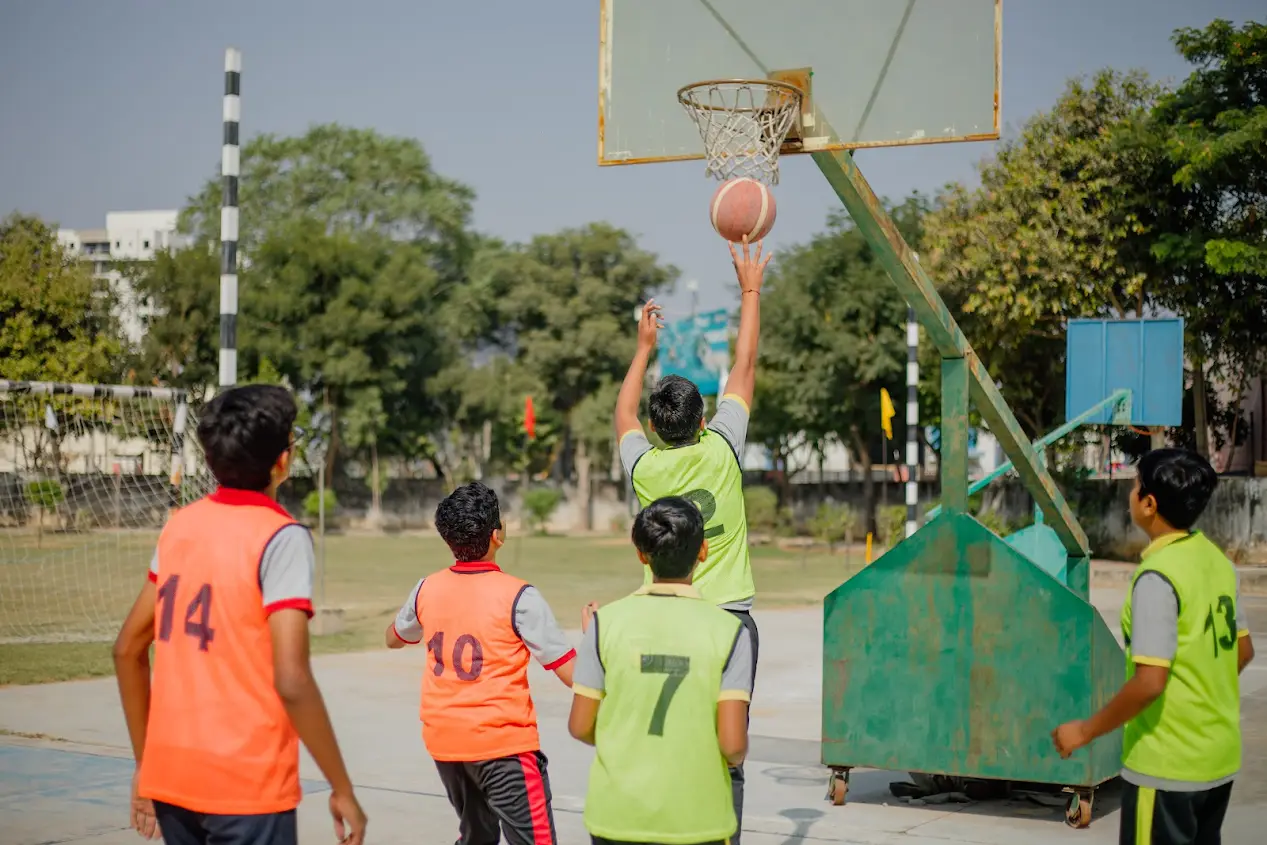
Co-curricular activities play a vital role in holistic education. Schools encourage students to participate in activities such as:
- Sports and physical fitness
- Music and performing arts
- Debates and public speaking
- Art and creativity programs
- Community service initiatives
These activities help students build confidence, discipline, and teamwork.
Modern Education in Jaipur
Jaipur has seen significant growth in modern educational institutions that focus on innovative teaching practices. Schools are integrating technology, experiential learning, and personality development programs to provide a better learning environment.
Modern education in Jaipur emphasizes:
- Smart classrooms and digital learning tools
- Activity-based teaching methods
- Career guidance programs
- Personality development workshops
This ensures students are prepared for future careers and global opportunities.
Preparing Students for Future Success
Holistic education prepares students not only for academic success but also for life beyond the classroom. By combining the strengths of the CBSE curriculum with modern teaching methods, schools can create confident, responsible, and capable individuals.
Students who receive holistic education are better equipped to:
- Adapt to changing career landscapes
- Think creatively and solve complex problems
- Work effectively in teams
- Become responsible global citizens
Conclusion
Holistic education is shaping the future of modern schooling. With the structured CBSE curriculum benefits and innovative teaching approaches, schools are preparing students for both academic excellence and personal growth.
As education continues to evolve, the focus on holistic education in CBSE schools will play a crucial role in developing future-ready students who can thrive in a competitive world.

Related Articles
Pre-Nursery Admission Age vs Nursery Admission: What Parents Should Know in 2026
Pre-Nursery Admission Age vs Nursery Admission: What Parents Should Know in 2026 Prenursery admission age...
Read More →
Future Skills for Students: 21st Century Skills Education for 2026 and Beyond
Future skills for students are becoming one of the most important aspects of modern education....
Read More →
Safe, Smart & Student-Centric Campus: What Makes a School Ideal for Your Child
Choosing the right school for a child is one of the most important decisions for...
Read More →
